Gallstones: Symptoms, Causes, Treatments, and Natural Approaches | The Epoch Times
MuGreens and Greens
35, 2nd Cross Rd, Nagashetty Halli, R.M.V. 2nd Stage, Bengaluru, Karnataka 560094
09741536972
Gallstones: Symptoms, Causes, Treatments, and Natural Approaches | The Epoch Times
Friends Read Free
Gallstone disease is one of the most expensive digestive disorders, leading to about 1 million gallbladder removal surgeries (cholecystectomies) annually in the United States. Though surgery may relieve acute pain, it often fails to address the underlying cause, leaving some individuals with persistent or new digestive issues.
Bile is a fluid produced by the liver, with important roles in digestion, absorption of fat-soluble vitamins (A, D, E, and K), and the elimination of waste products from the body. It contains cholesterol, bile salts, bilirubin, phospholipids, and other substances. From the liver, bile flows into the gallbladder. Here, water and electrolytes are removed to concentrate the bile, making the stored bile more potent.
When dietary fat enters the small intestine, it triggers the release of the hormone CCK. CCK then stimulates the gallbladder to contract, releasing concentrated bile into the cystic duct. The cystic duct joins up with the common bile duct, which enters the small intestine. Then, the bile emulsifies fats, breaking large fat globules into smaller droplets.
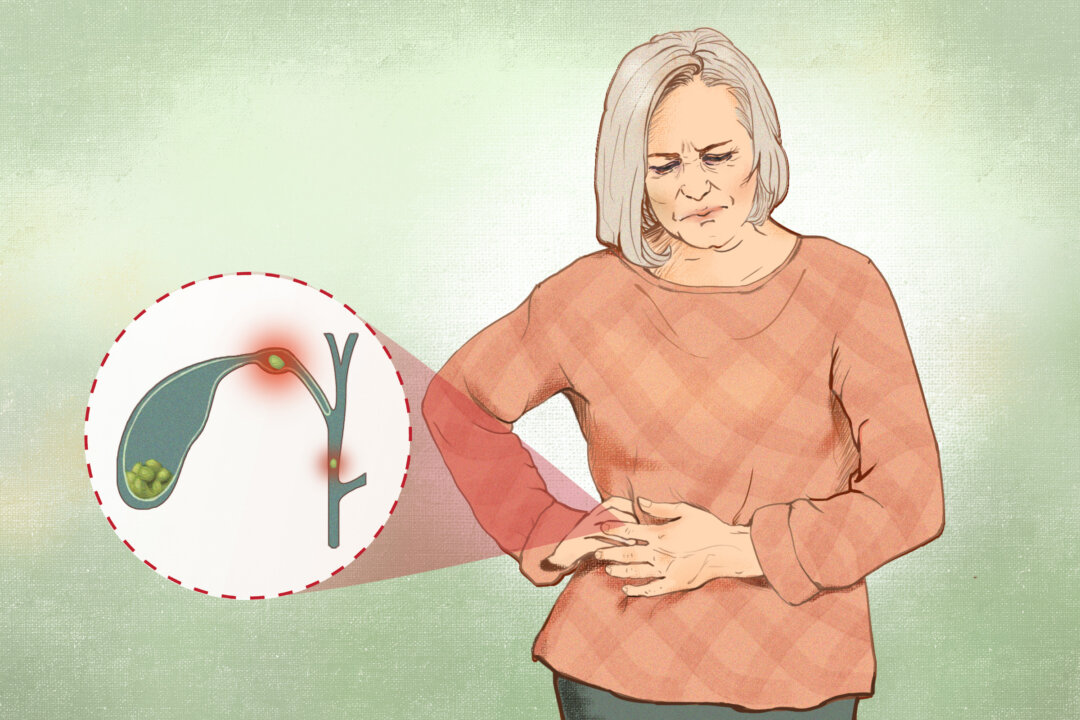
If the bile becomes saturated with cholesterol or bilirubin, tiny crystals begin to form. This happens due to excess cholesterol, insufficient bile salts, or both. Bile salts are essential for keeping cholesterol dissolved in bile. Over time, these crystals can grow into gallstones, ranging in size from a grain of sand to a golf ball. There may be one stone or hundreds, and they can either remain in the gallbladder or migrate to the bile ducts.
Recent research has expanded our understanding of gallstone formation beyond the misconception of simply too much cholesterol. Two important elements that contribute to this process are the gut microbiome and the vagus nerve.
Premium Picks
When either of these systems is disrupted—for example, by poor diet, antibiotics, or stress—it can lead to changes in bile composition or flow, increasing the risk of gallstone formation.
Additional Factors
First, the examiner will inquire about dietary habits, foods that trigger attacks, and family history.
Next, the examiner will use what is known as Murphy’s sign, pressing on the gallbladder area beneath the right side of the rib cage and asking the patient to take a deep breath. Severe pain that stops breathing is a positive Murphy’s sign that may indicate gallbladder inflammation.
Blood Tests
If underlying causes are not addressed, gallstones can still form in the bile ducts. Additionally, changes to the gut microbiome and metabolism may occur.
Other Procedures
While it is best to get nutrients from food, that is not always possible. Micronutrient testing and a diet analysis can help guide supplementation. A professional can help with choosing the right form and dose.
Source: https://www.theepochtimes.com/health/gallstones-symptoms-causes-treatments-and-natural-approaches-5733284
Comments
Post a Comment